Trust us with your project and get full engineering support of the foundation - from calculations to installation with quality control at each stage.

Trust us with your project and get full engineering support of the foundation - from calculations to installation with quality control at each stage.
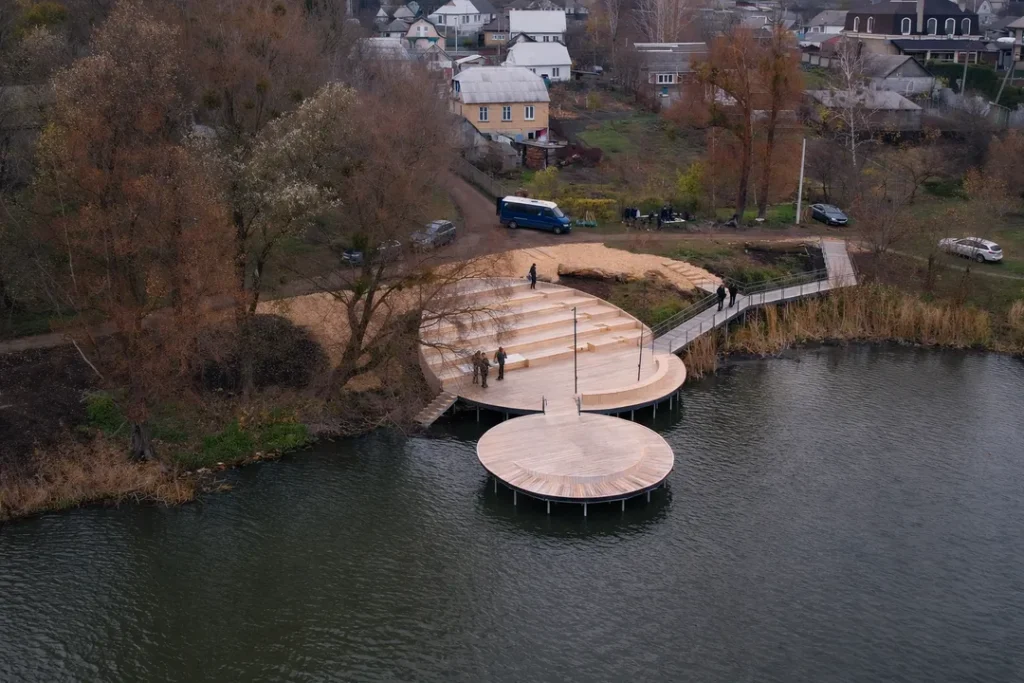
A hydraulic structure operating in conditions of constant or variable contact with water, subjected to combined loads from the structure's own weight, vessels, waves, currents, and ice impacts. The foundation must ensure stability, deformation control, and stable geometry in the aquatic environment.

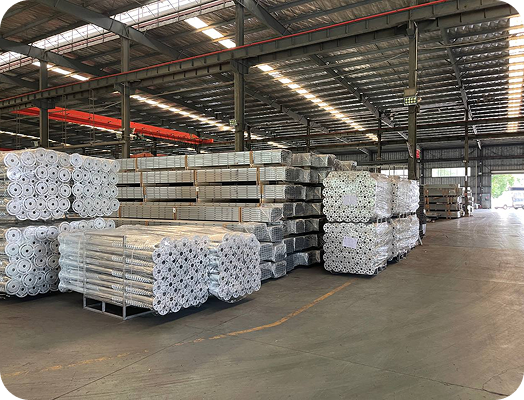
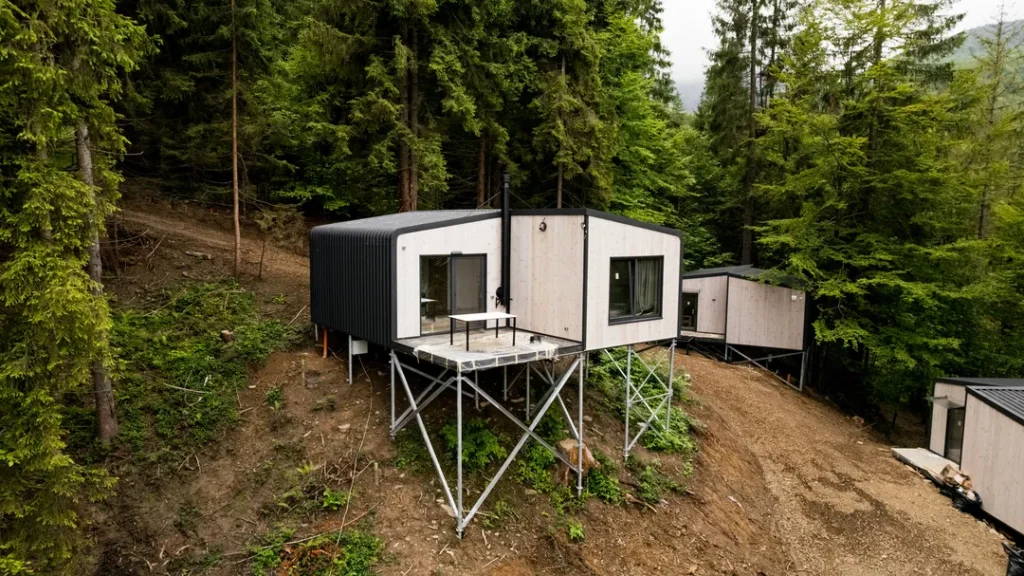
Screw piles are driven to load-bearing soil layers below the bottom level, ensuring reliable load transfer from the deck, supports, and mooring equipment to stable soil horizons. The absence of concrete work minimizes the risks of uneven settlement and simplifies foundation implementation in water areas.
The foundation for a berth is individually engineered taking into account hydrogeology, bottom soil types, water levels, wave and current loads, as well as potential ice impacts.
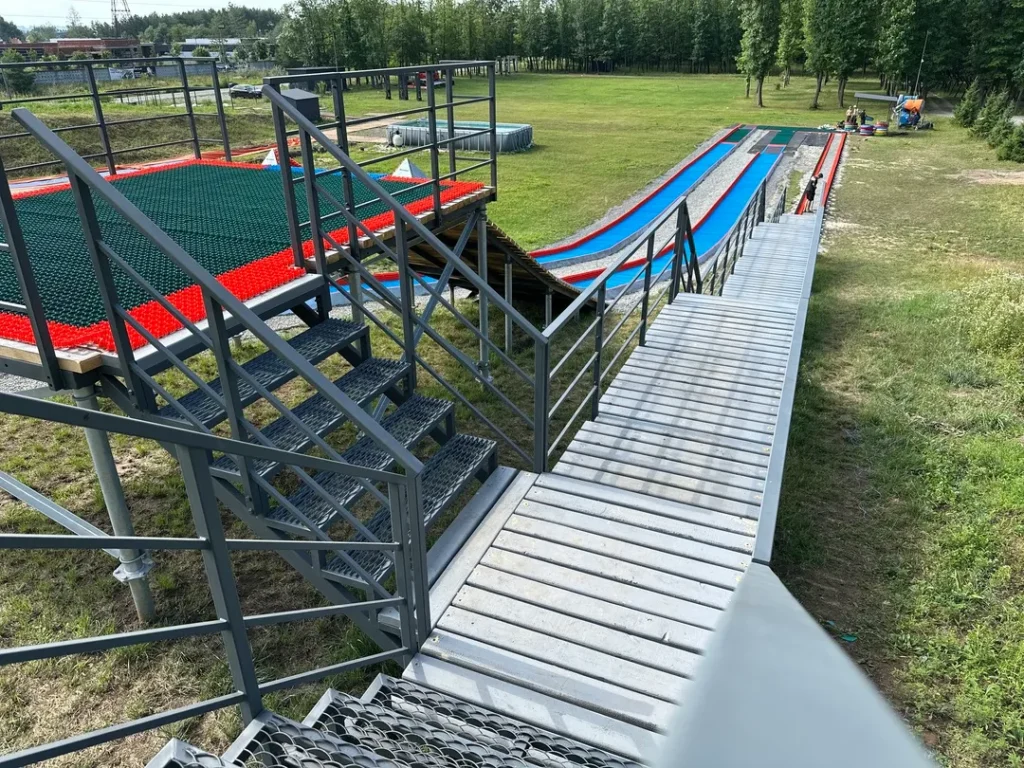
The screw foundation allows for the integration of piles with load-bearing elements of the berth structure and enables phased installation without complex hydraulic preparatory works.
DESIGN INSTALLATION DEPTH
OPERATION IN THE AQUATIC ENVIRONMENT
RESISTANCE TO SCOUR AND WAVE LOADS
СТІЙКІСТЬ ДО ПІДМИВУ ТА ХВИЛЬОВИХ НАВАНТАЖЕНЬ
АНТИКОРОЗІЙНА СТІЙКІСТЬ
ANTI-CORROSION RESISTANCE
STABLE GEOMETRY WITHOUT SHRINKAGE
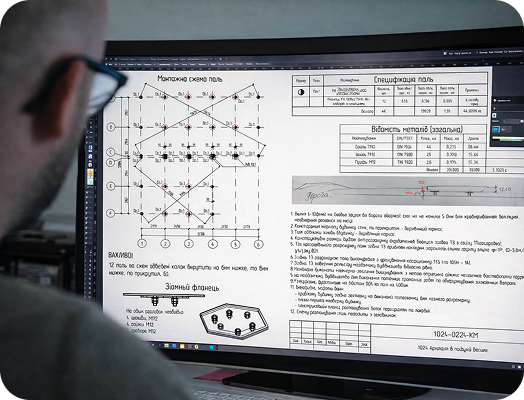
For proper foundation design, geotechnical engineering surveys and structural design analysis are performed. This allows for determining the design loads, soil behavior conditions, the depth of load-bearing soil layers, and the geometric requirements of the foundation system.
Based on the obtained data, PILLAR engineers calculate the number of supports, their spacing, and the installation depth. The parameters of the geoscrews are selected considering the loads, structure type, and required geometric stability of the foundation.
Screw piles are installed with control of vertical alignment, torque, and foundation field geometry. Upon completion, the foundation is immediately ready for further structure erection—with no technological downtime or waiting for shrinkage.