Soil as a Key Factor for Foundations
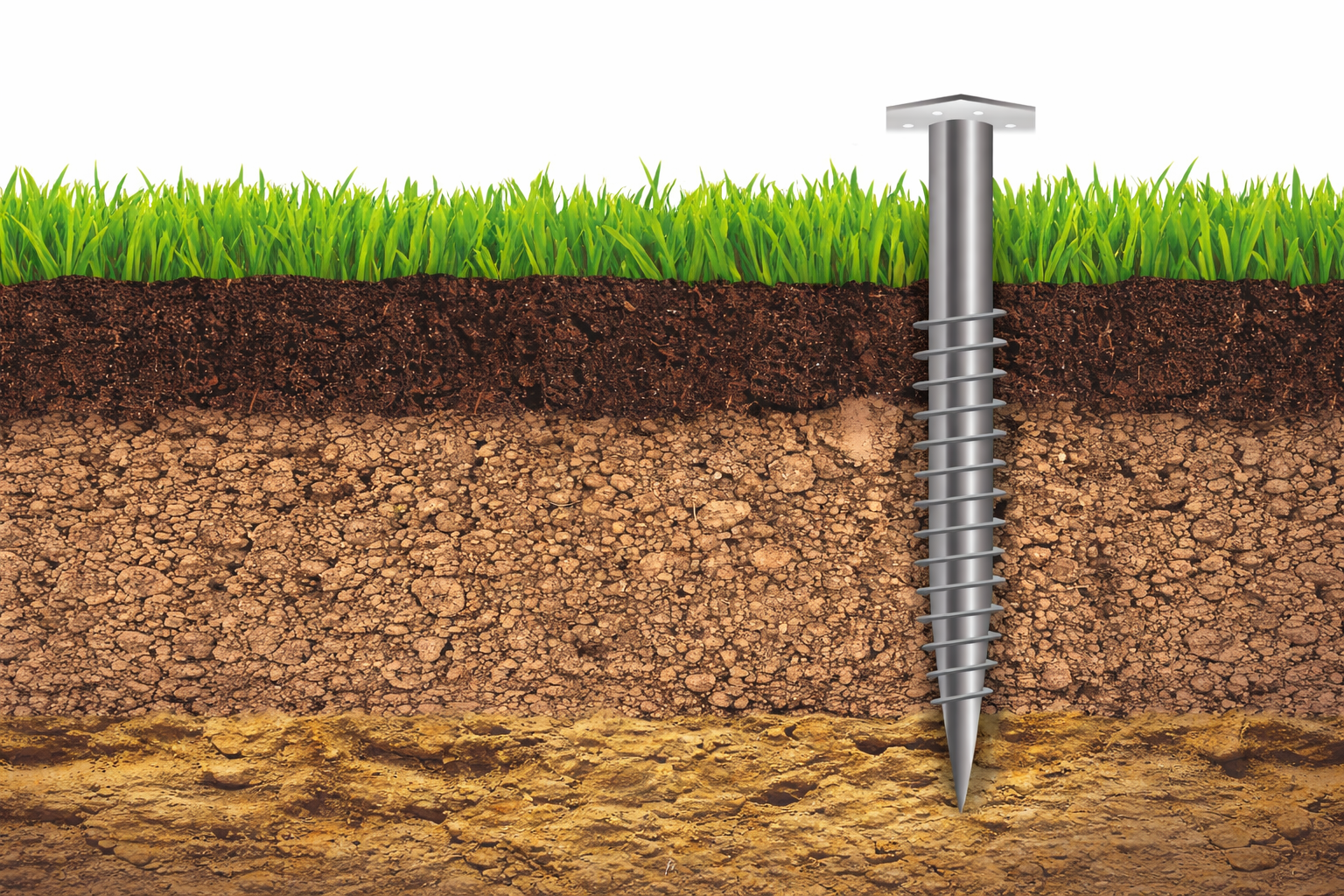
Screw pile foundations on geoscrews are often perceived as a universal solution that “works everywhere.” In reality, this is an engineered system, and its effectiveness directly depends on soil characteristics.
PILLAR foundations can be used in all soil types, but design and installation must always account for soil structure, density, and behavior under load. These factors determine both the load-bearing capacity and the economic feasibility of the solution.
Load-Bearing Capacity: How Soils Interact with Geoscrews
When comparing soils under the same water saturation conditions, the load-bearing capacity of a screw foundation decreases in the following order:
- Sands
- Clays
- Loams
- Sandy loams
From an engineering perspective, sands, clays, and loams are the most favorable in terms of technical and economic efficiency. In these soils, geoscrews achieve maximum load-bearing capacity with the optimal balance of “installation effort versus result.”
Soil Density and Screw-In Effort
There is a direct linear relationship between the load-bearing capacity of a geoscrew and soil density. The denser the soil, the higher the potential load-bearing capacity, but the greater the effort required during installation.
In order of decreasing installation difficulty, it looks like this:
- Sands — highest installation effort
- Clays
- Loams
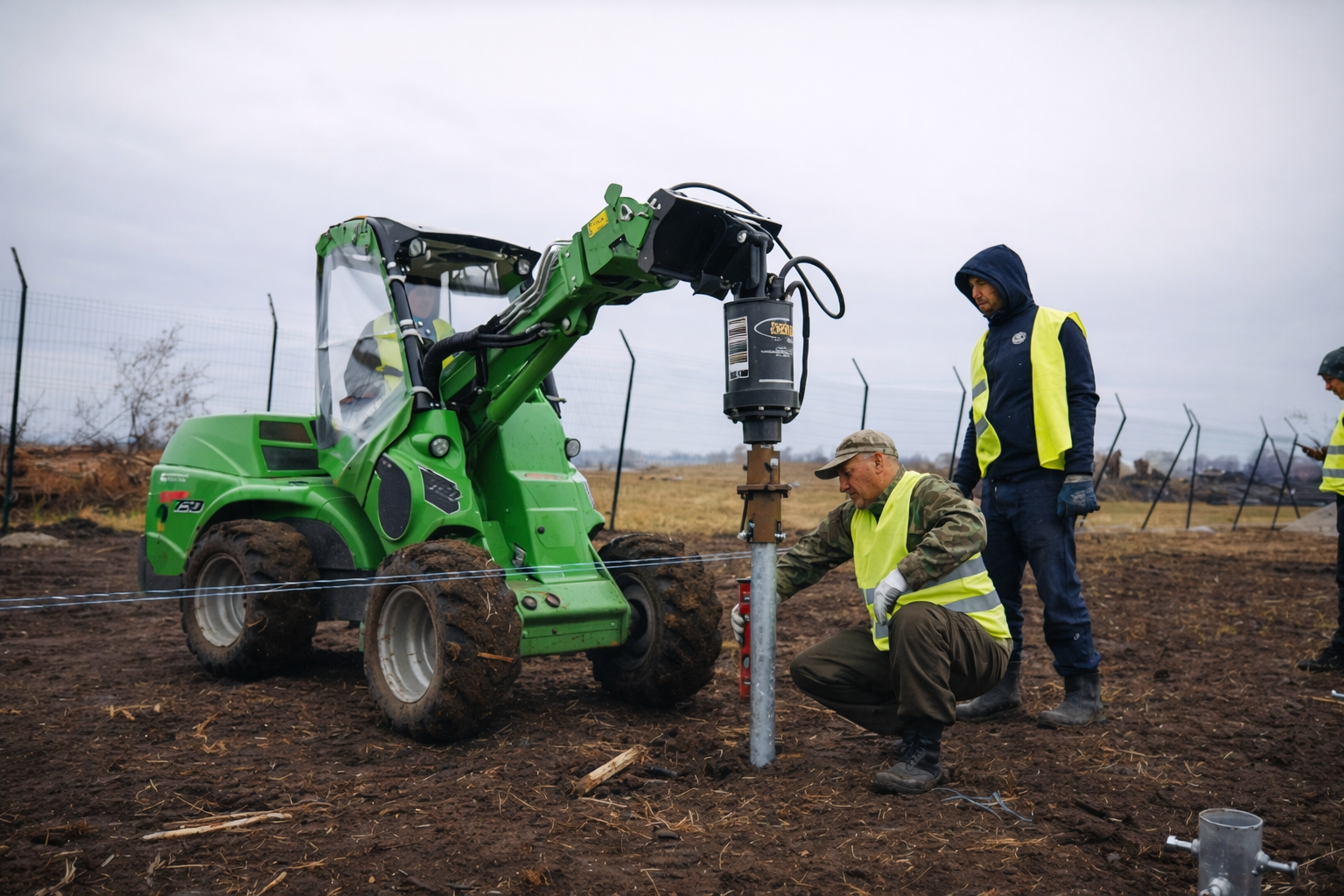
This must be considered when selecting equipment and installation methods, especially for large projects or in areas with limited access.
Sandy Loams: Soil With Caution
Sandy loams often remain a “gray area” when assessing screw foundations. On average, they have lower load-bearing capacity than sands and clays, but exceptions are common.
In dense, dry sandy loams, geoscrews can still demonstrate high load-bearing capacity. At the same time, both loams and sandy loams share a tendency to settle.
This property cannot be determined visually. It is only revealed through engineering-geological surveys, which are a mandatory stage of responsible design.
Rocky Soils and Coarse-Grained Formations
A separate category is rocky soils and soils with coarse inclusions. These conditions create the greatest challenges during geoscrew installation.
In such cases, it is often necessary to:
- Pre-drill
- Use heavy machinery
- Adjust design solutions directly on site
This increases project costs compared to standard conditions. At the same time, in mountainous or hilly terrain, geoscrew solutions are often technically and economically more advantageous than concrete foundations requiring extensive earthworks.
Practical Application: Why Geology Is Not a Formality
The most common mistake is to evaluate soil only by its name: “sand,” “clay,” or “sandy loam.” In practice, the decisive factors are:
- Degree of compaction
- Water saturation level
- Layering and heterogeneity
- Presence of inclusions
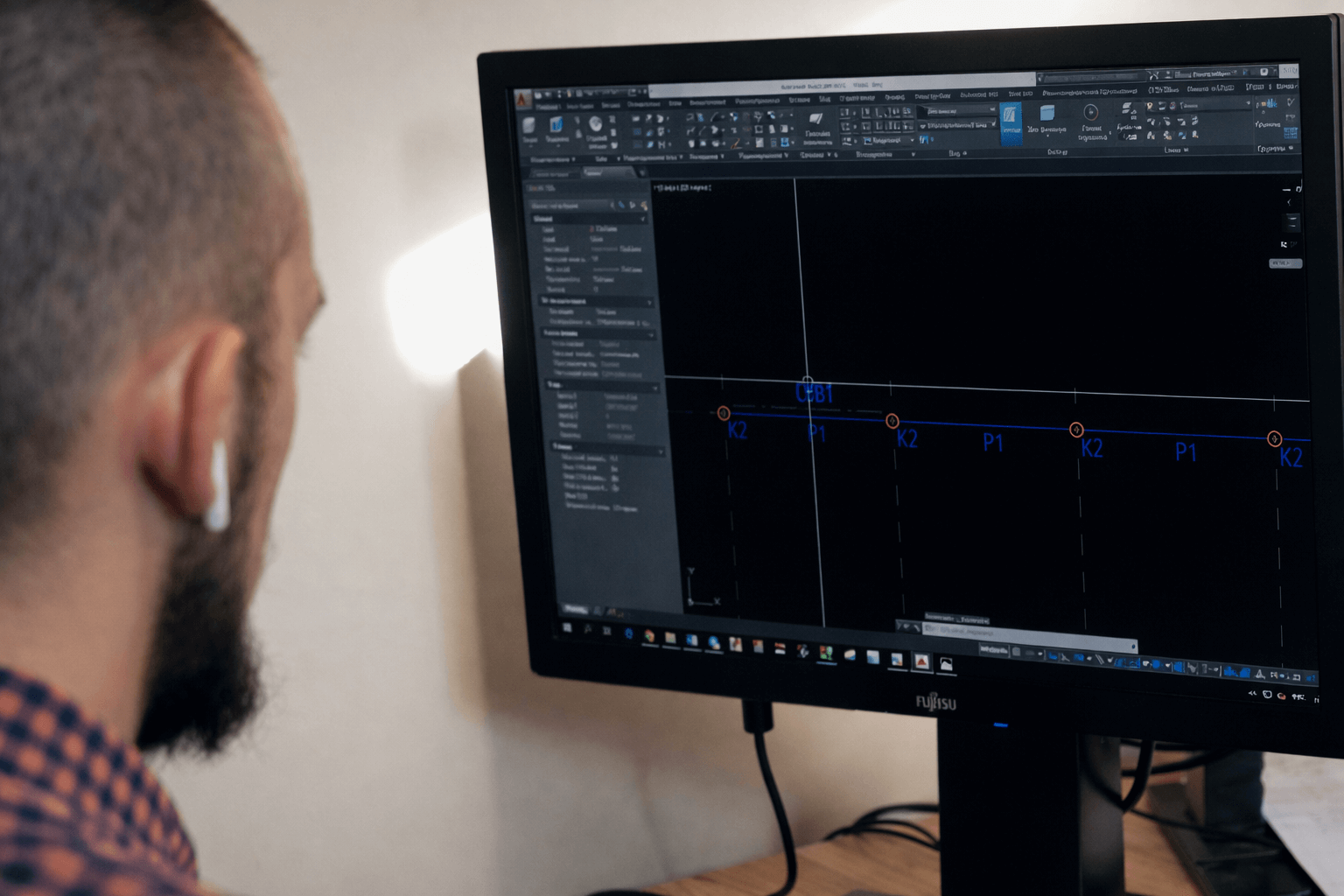
For this reason, engineering-geological surveys form the basis for correct selection of geoscrews, their length, diameter, and placement pattern.
Expert Conclusion from PILLAR
PILLAR’s experience shows that geoscrews can work in almost any soil, but their effectiveness is always determined by an engineering approach. Sands, clays, and loams are the most favorable in terms of load-bearing capacity and cost efficiency. Sandy loams and complex soils require detailed analysis, while rocky conditions require individual solutions.
In such projects, we recommend starting not with the choice of foundation type, but with analysis of the soil and the project’s requirements. This allows the screw foundation to become a predictable and reliable engineering solution, rather than a compromise.