A New Logic for Land Use
Agriculture and energy have traditionally competed for land. On one hand, there is the need to expand crop areas; on the other, growing demand for renewable energy. Agrophotovoltaics changes this logic by offering an engineering approach in which the land serves two functions simultaneously.
The key idea of an agro-PV system is not to maximize generation, but to achieve a balance between energy and agricultural processes. This balance determines the long-term efficiency of the system.
Conditions for Implementing Agrophotovoltaics
Agrophotovoltaic systems are most often deployed where it is important to preserve the agricultural function of the land: in orchards, berry plantations, vineyards, pastures, or fields with crops sensitive to overheating.
Typical initial conditions for such projects include:
- open, windy areas without natural shelter;
- heterogeneous soils with restrictions on concrete works;
- need for free access for agricultural machinery;
- seasonality of agricultural operations.
Under these conditions, conventional ground-mounted PV systems are often unsuitable, as they effectively remove land from cultivation.
Engineering Logic of Agro-PV Systems
Agrophotovoltaics requires a different design approach than standard PV systems. Here, it is important to work not with maximum panel density, but with parameters that directly affect the agro-system:
- height of the structure above the ground;
- spacing and orientation of supports;
- level and type of shading;
- rigidity and stability of the structure under wind loads.
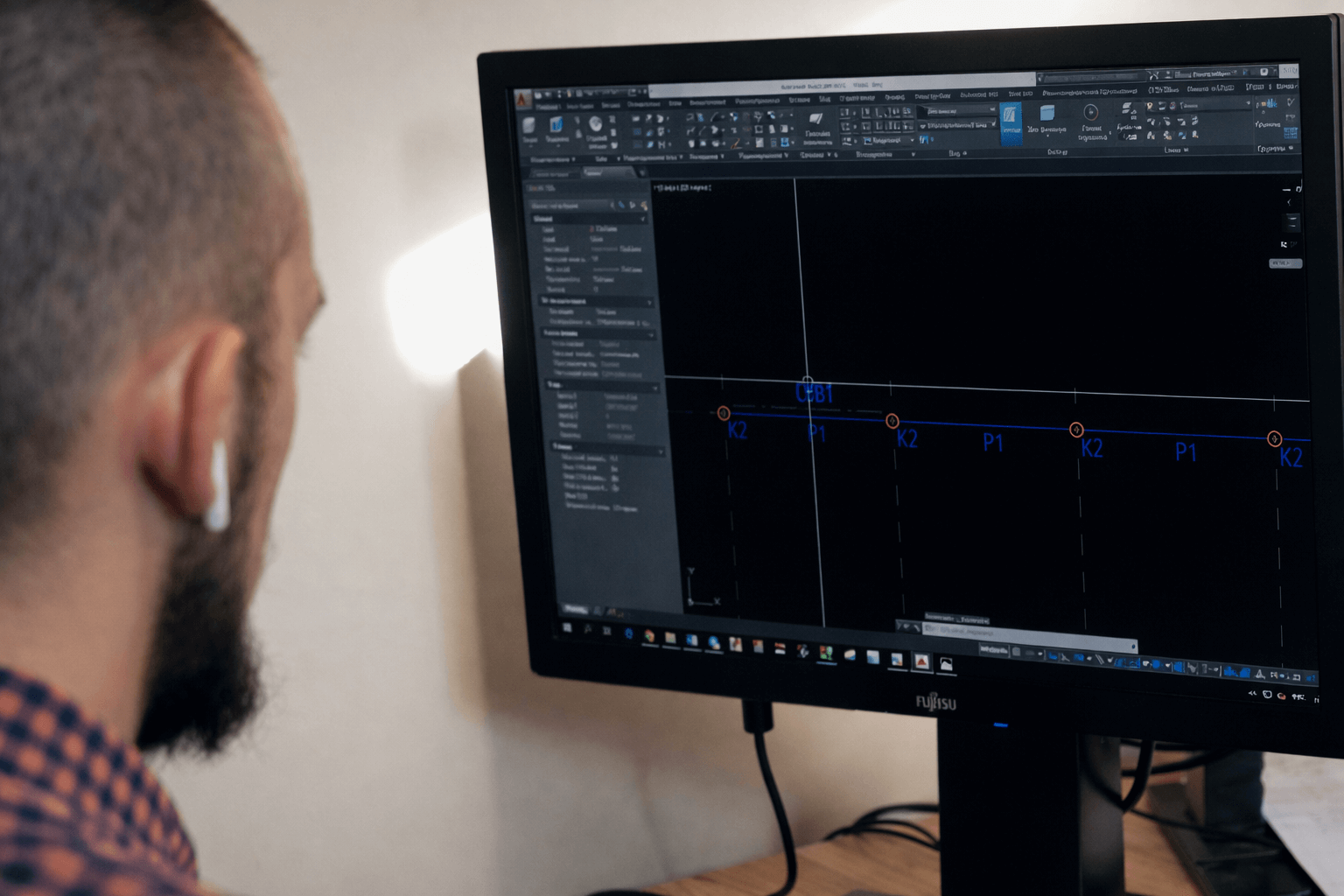
An engineering mistake in such systems can lead not only to loss of energy efficiency but also to disruption of agricultural processes. Therefore, agro-PV design always starts with analyzing agricultural workflows, not selecting photovoltaic modules first.
Engineering Solution and the Role of the Foundation System
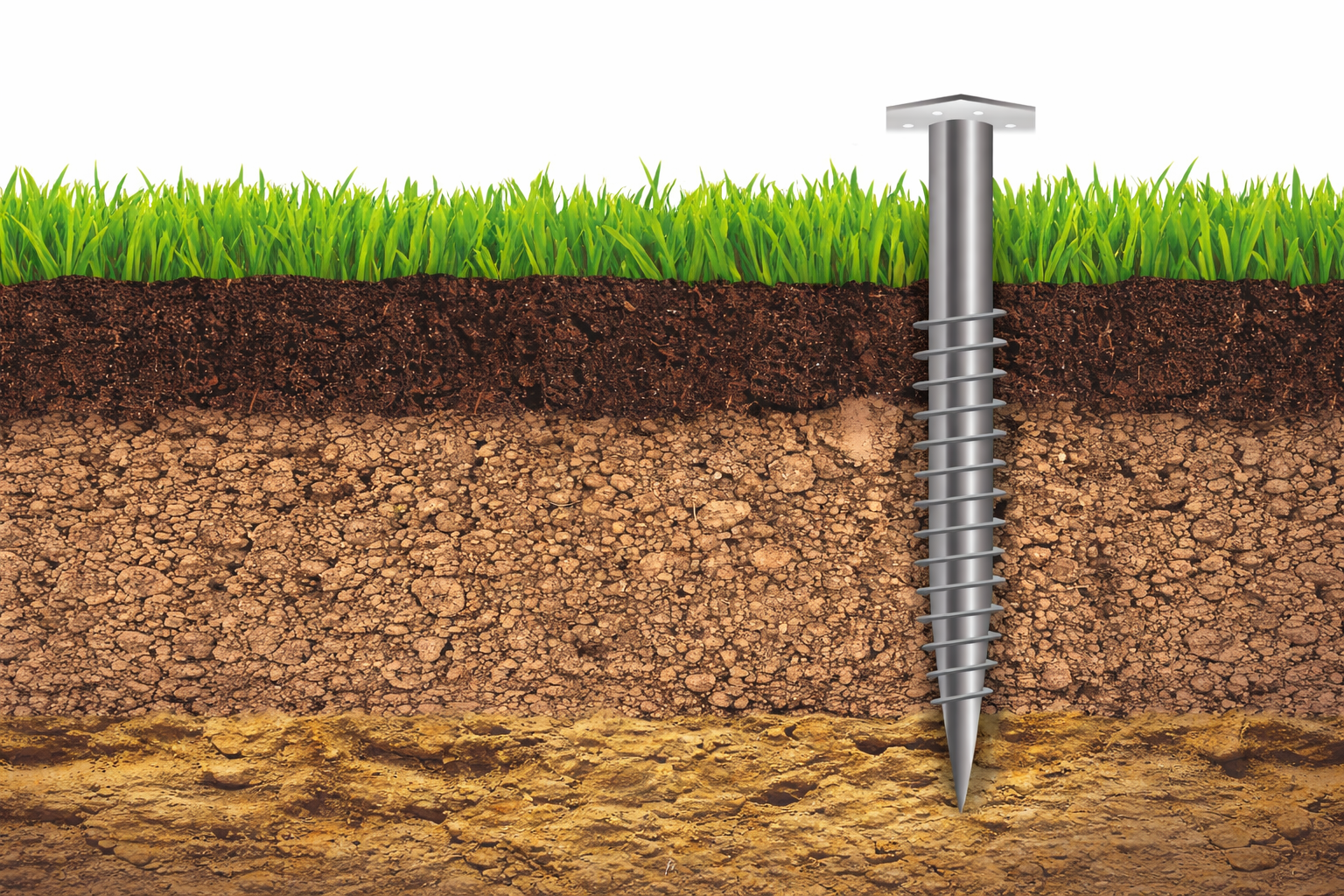
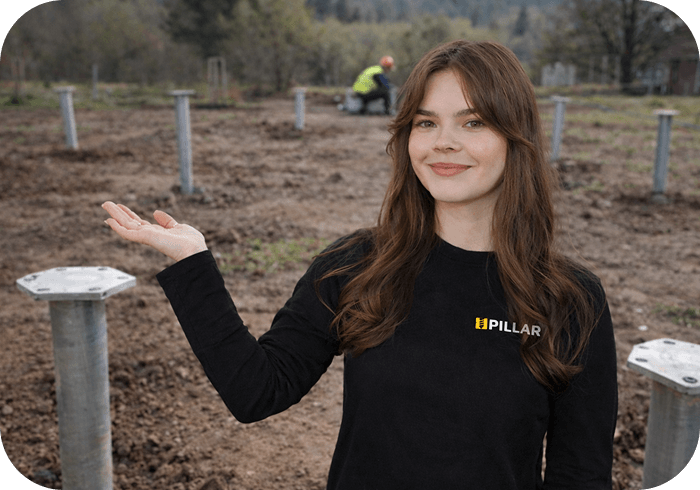
One of the key elements of agro-PV systems is the foundation. It must ensure the load-bearing capacity of the structure without disturbing the soil structure or obstructing further land cultivation.
In practice, effective foundation solutions for agro-PV projects are those that:
- do not require extensive earthworks;
- can be installed in phases;
- allow adjustments or dismantling.
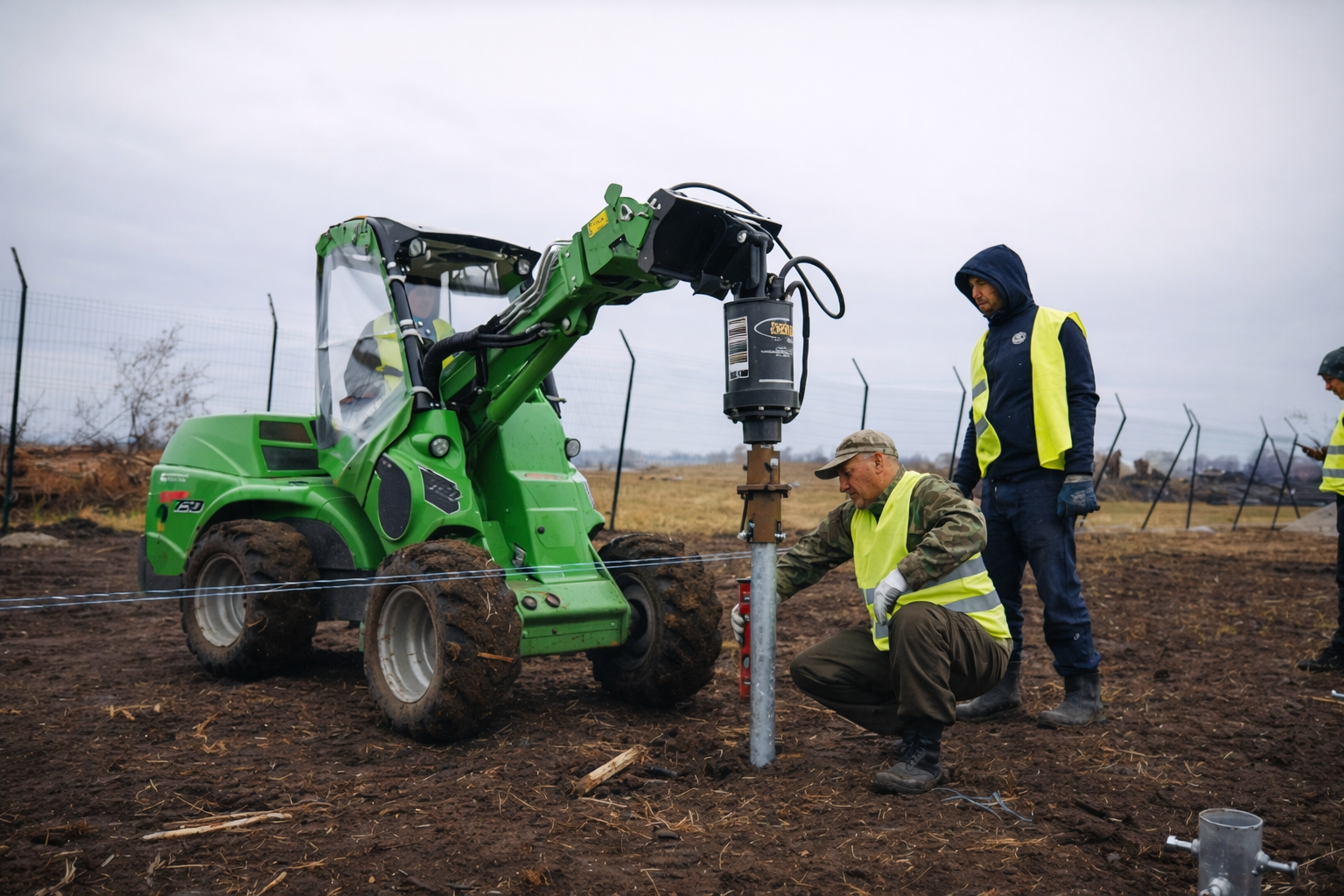
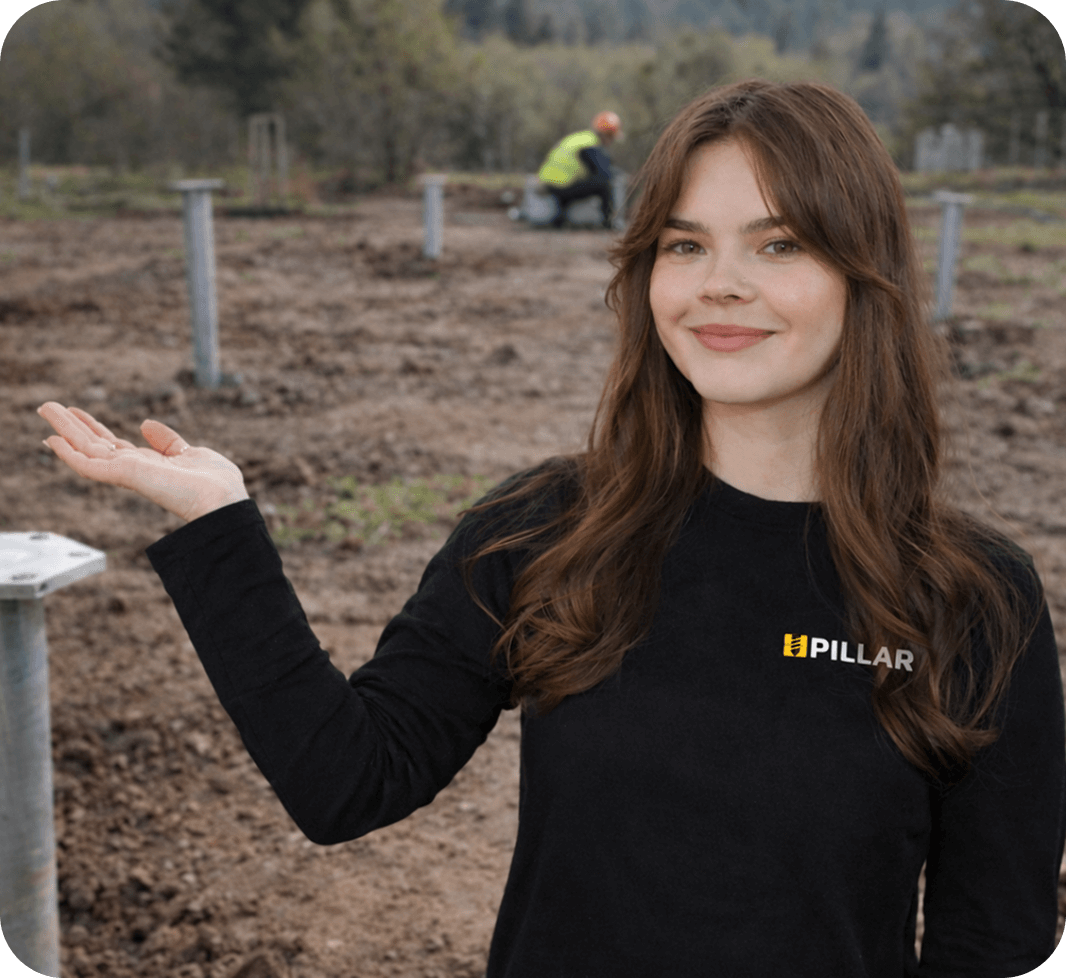
The use of screw foundations in such projects reduces soil disturbance and allows adapting the structure to real site conditions during installation.
Implementation Practice: Collaboration Between Engineers and Farmers
The implementation of agro-PV projects always involves close collaboration with agronomists and farm owners. Installation work is planned around planting and harvest campaigns, and logistics are organized to minimize soil impact.
In practice, the biggest challenges include:
- precise maintenance of structure geometry over large areas;
- compensation for terrain variations;
- ensuring support stability in open, windy conditions.
These challenges are addressed through detailed engineering preparation and phased installation control.


Result and Impact for the Agro-System
From a technical perspective, agrophotovoltaics provides stable electricity generation without compromising the agricultural function of the land. From the agro-system perspective, partial shading can reduce soil overheating, slow down moisture evaporation, and create a more stable microclimate for specific crops.
For the farm owner, this means:
- diversification of income sources;
- increased energy autonomy;
- reduced risks associated with climate fluctuations and energy prices.
PILLAR Expert Conclusion
Experience in implementing agrophotovoltaic systems shows that their effectiveness is determined not by PV capacity, but by the quality of engineering integration into agricultural processes. Agro-PV works where energy does not dominate agriculture, but complements it.
For such projects, we recommend considering agrophotovoltaics as an engineering system of balance — between loads and crop yield, between energy and land, and between short-term effects and long-term sustainability of the agro-system.