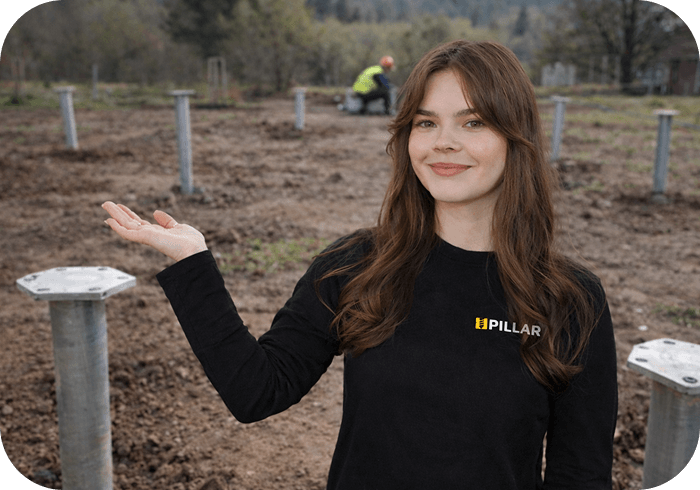
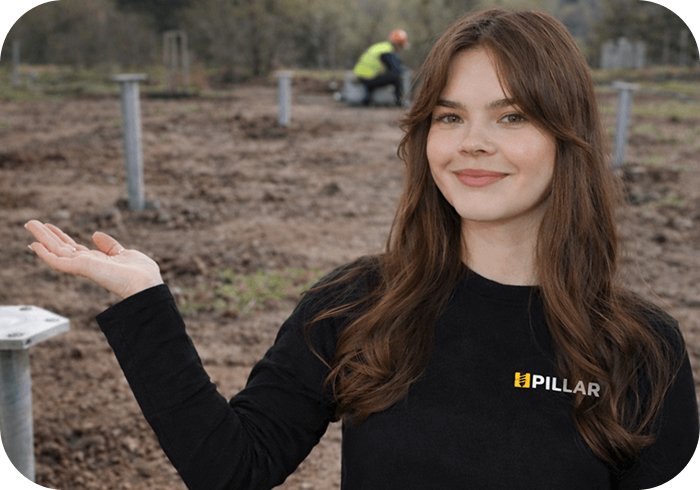
Foundation in the Mountains as an Engineering Challenge
Mountainous terrain always imposes additional constraints on construction. Changes in elevation, unstable soils, limited access for heavy machinery, and heightened environmental requirements make conventional concrete foundations difficult or economically impractical.
In such conditions, the foundation ceases to be a “typical element” and becomes a key engineering solution on which the safety, durability, and overall feasibility of the project depend.
Project Implementation Conditions
The project was carried out in the village of Pylypets (Zakarpattia region) on the territory of a mountain recreation base. The site was characterized by complex natural terrain and significant elevation changes.
Key initial conditions:
- mountain slope with elevation differences up to 5 m;
- limited access for construction machinery;
- need to minimize intervention in the natural landscape;
- increased requirements for structural stability and safety;
- environmental restrictions, including prevention of landslides and soil contamination.
The client planned the placement of 13 modular houses, which required precise foundation geometry for each structure, regardless of local terrain variations.

Engineering Logic Behind Choosing Ground Screws
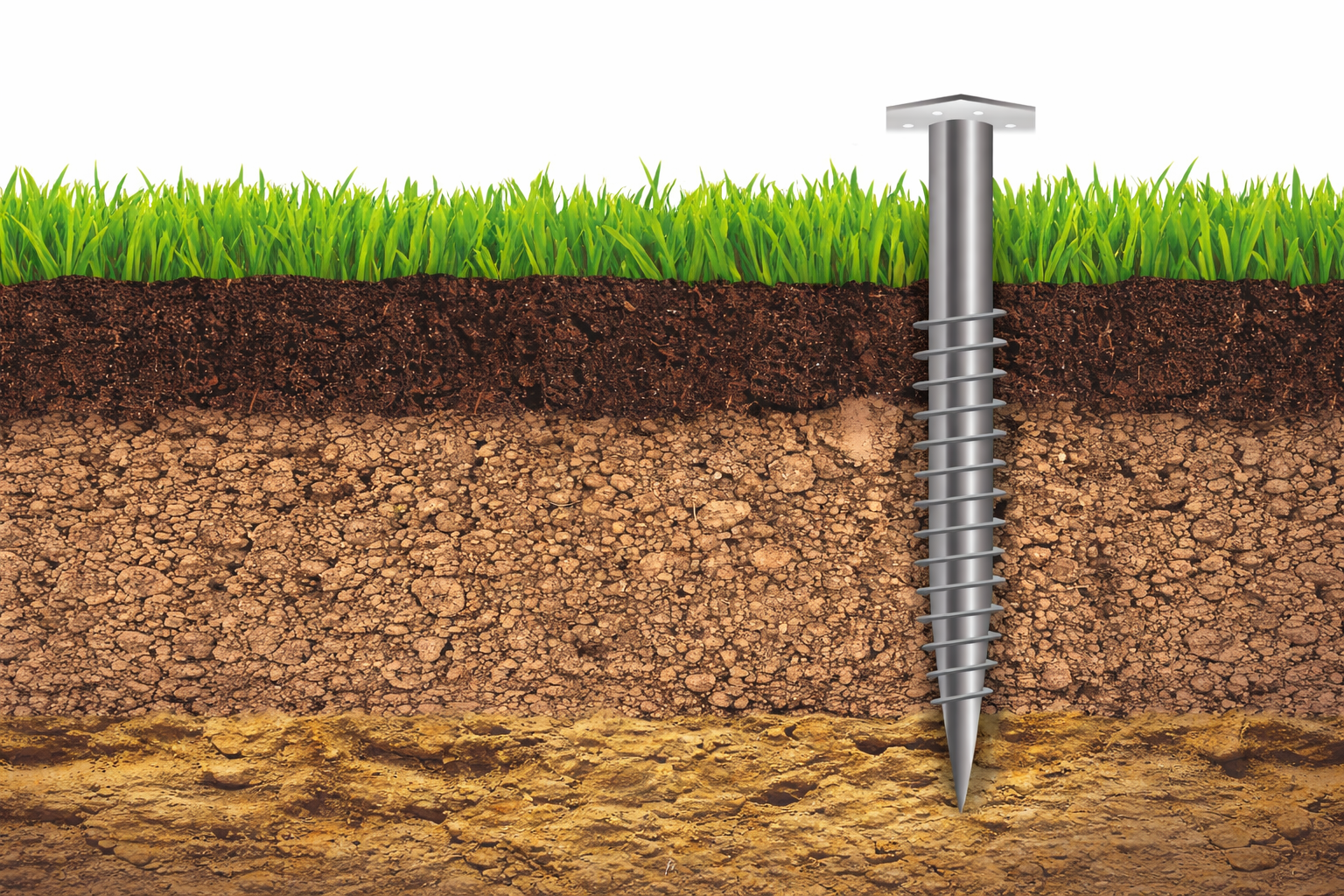
In these conditions, using concrete foundations would have required extensive earthworks, slope terracing, and posed significant risks to soil stability. Therefore, a solution based on PILLAR ground screws, adapted to the mountainous terrain, was chosen.
The engineering logic behind the choice was as follows:
- transfer loads to dense soil layers without excavation;
- ability to work on slopes and under limited access conditions;
- precise leveling of structures regardless of elevation differences;
- no wet processes or seasonal restrictions.
Ground screws allowed working with the natural terrain rather than trying to alter it.
Implemented Engineering Solution
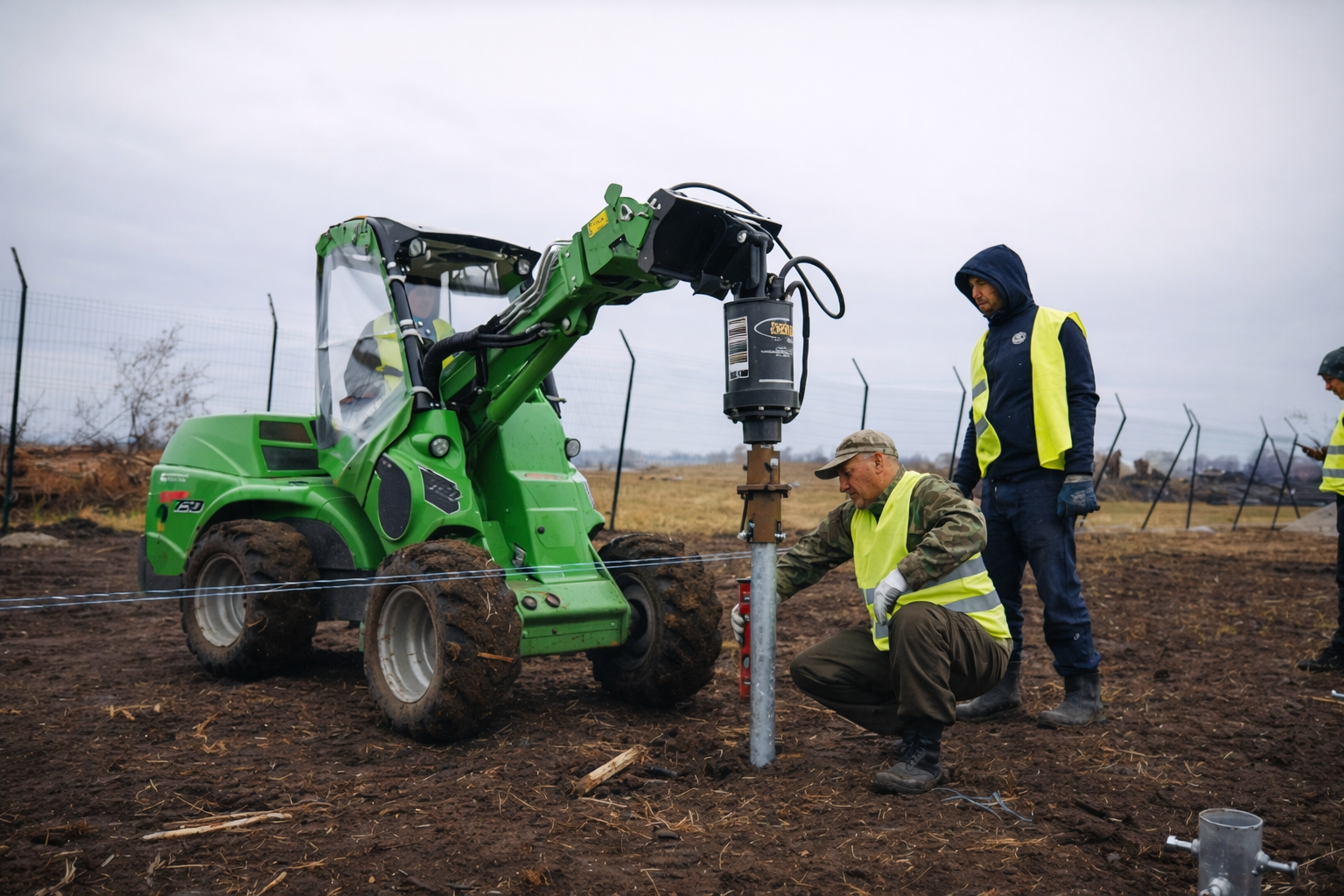
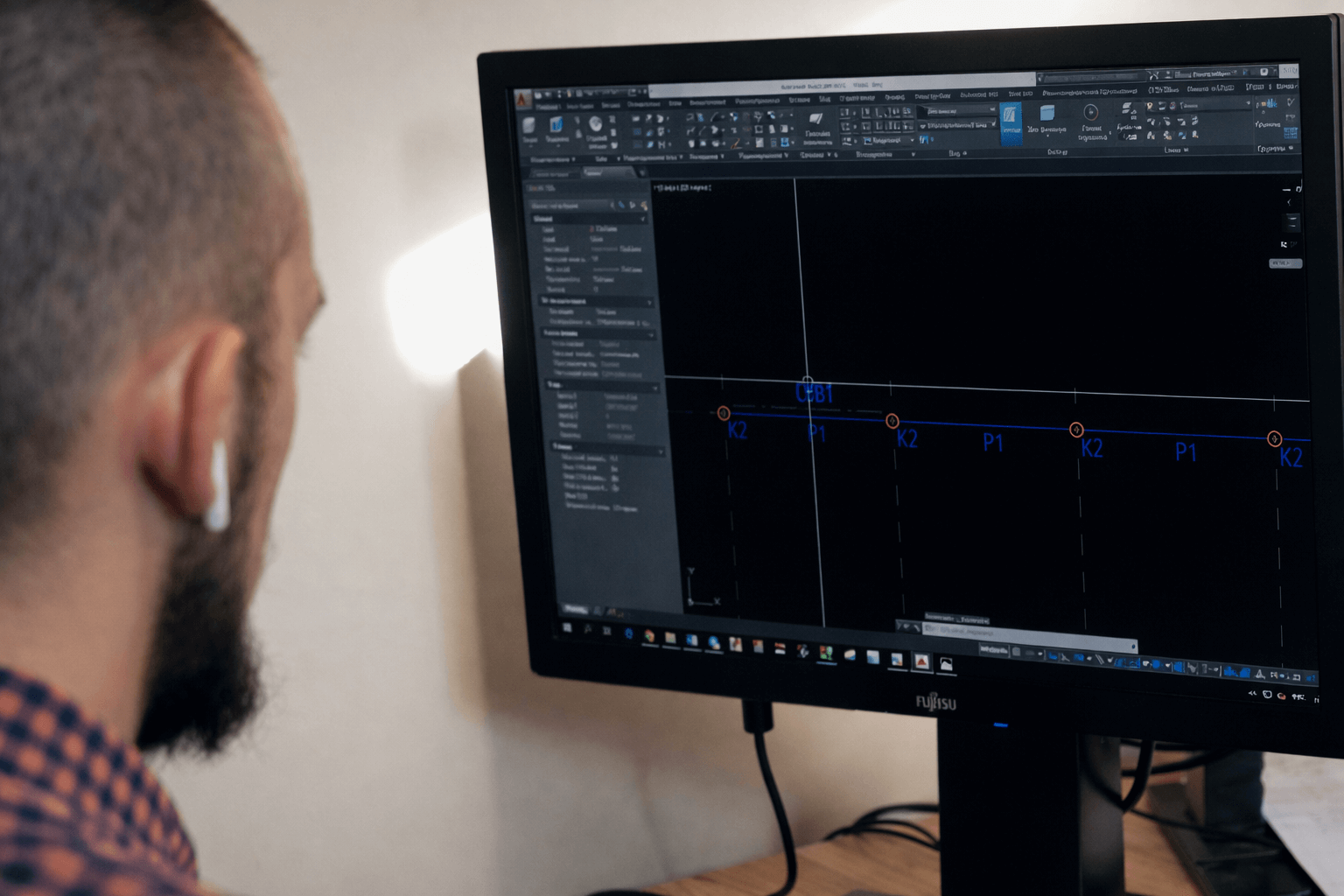
An individual design solution was developed for the site, taking into account complex geology and soil types. Ground screws were applied on rocky and mixed soils without concrete and with minimal landscape intervention.
Key elements of the solution:
- 225 ground screws to form the foundation field;
- bolted extensions and a connection system for precise axis fixation;
- spatial diagonals to ensure structural rigidity;
- leveling of each house along the horizontal plane regardless of terrain.
This approach allowed millimeter-level geometric precision without disturbing the natural slope.


Installation Practice in Mountainous Conditions
Installation work was carried out taking into account complex logistics and environmental restrictions. The absence of concrete allowed avoiding the delivery of inert materials and heavy machinery, which is critical in mountainous areas.
Main challenges during implementation:
- elevation differences and uneven loads;
- the need for rigid fixation of structures on slopes;
- working on different soil types within a single site.
These challenges were addressed through engineering adaptation of the ground screw system and phased installation control.
Result and Impact
As a result, a foundation system for 13 modular houses was implemented, which:
- ensures stability on complex mountainous terrain;
- preserves the natural landscape;
- complies with regional environmental requirements;
- allows safe operation of the structures in mountainous conditions.
The total weight of the connection and bolted extension set was 10.6 t, providing the necessary spatial rigidity for the entire system.


PILLAR Expert Conclusion
The experience of implementing the project in the village of Pylypets demonstrates that ground screws are an effective engineering solution for foundations in mountainous terrain. They allow working with complex site geometry, preserving the natural landscape, and ensuring predictable structural reliability.
For similar projects, we recommend starting with an analysis of the terrain, soils, and logistics, and then selecting the foundation system. This approach enables the realization of mountain projects without compromising engineering, environmental, or architectural requirements.