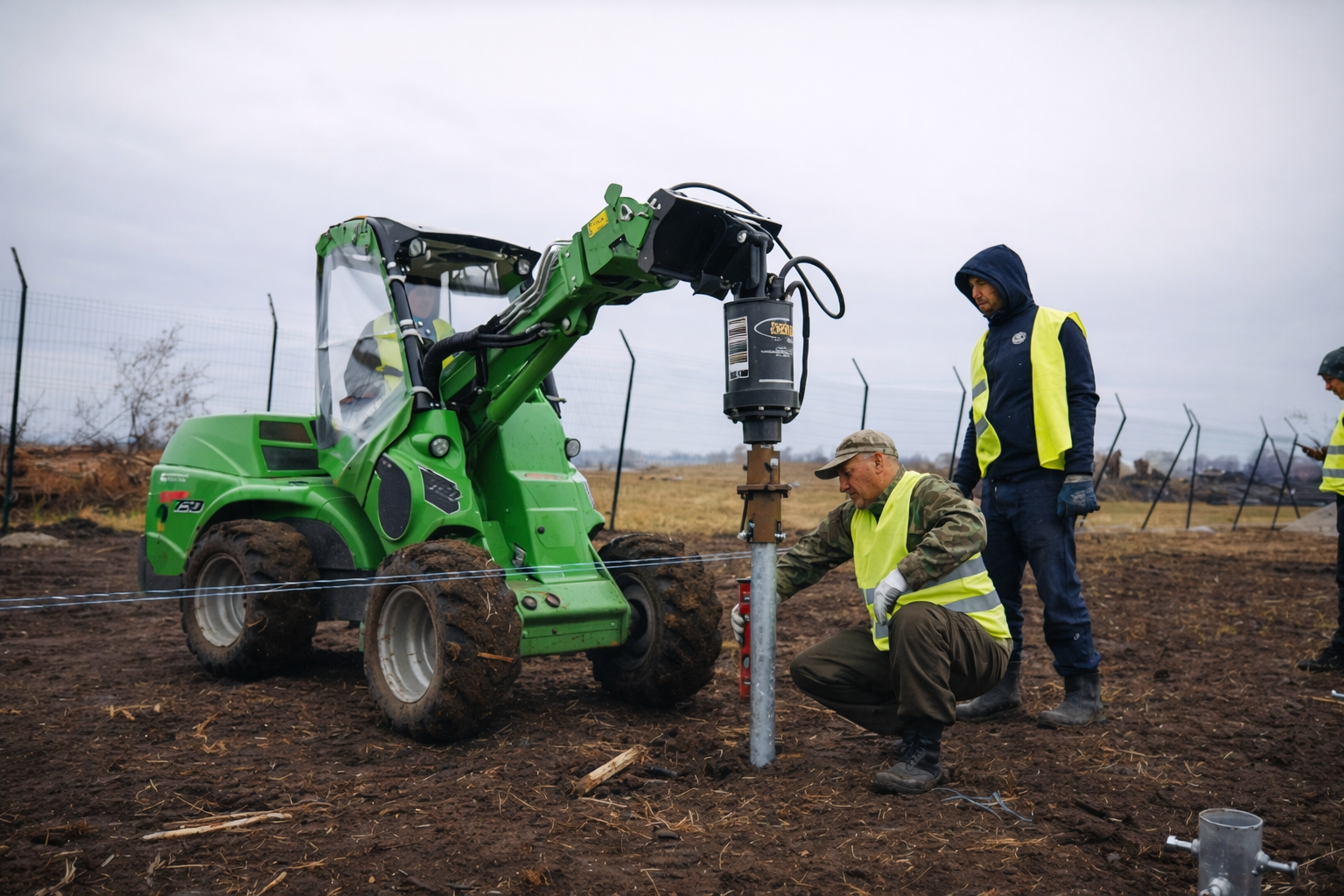
Why screw piles are not a “cure-all”
The technology of screw pile foundations is often seen as a quick alternative to concrete. However, engineering practice shows that the effectiveness of screw piles is determined not by the product itself, but by how well it matches the project requirements. There are situations where a screw pile is the optimal solution, and there are scenarios where it does not deliver the expected result or is outperformed by other foundation systems.
To determine whether screw piles are suitable for your project, it is enough to answer two basic questions:
- What are you building?
- What engineering task do you want to solve?
What are you building: the type of structure matters
If the answer to the first question is “a high-rise building” screw piles are not the right choice. For massive multi-story structures with concentrated loads, other types of foundations are required.
Screw piles, on the other hand, work effectively for:
- rapidly assembled country houses (SIP houses, timber frame houses);
- auxiliary buildings: gazebos, saunas, canopies;
- piers and docks, especially in water-saturated areas;
- solar power plants and carport systems — where speed and precise geometry are important;
- industrial structures: hangars, communication towers, power lines, industrial racks, and similar facilities.
In these segments, screw piles have proven themselves as a controllable engineering solution with predictable results.
What task are you solving: engineering logic for selection
The second question is equally important. Screw piles are particularly suitable when the foundation must address specific practical challenges, such as:
- tight construction deadlines without waiting for concrete to cure;
- construction on slopes or sites with complex terrain;
- waterlogged or settling soils;
- winter conditions when concrete work is difficult;
- reconstruction or reinforcement of an existing foundation;
- minimizing noise, debris, and landscape disturbance;
- simplifying installation where access for equipment is limited.
In these scenarios, screw piles allow the foundation to adapt to site conditions rather than “fight” against them.
When screw piles are not the best solution
Engineering honesty requires defining the limits of application. Screw piles are not suitable if:
- the structure has very high or concentrated loads that are more efficiently transferred through massive concrete systems;
- the geology requires a solid slab or deep foundation of another type;
- the project includes a rigidly fixed underground section with no possibility to adjust geometry.
In these cases, screw piles can complicate the solution or fail to deliver the expected efficiency.
Practical application: why engineering analysis is important
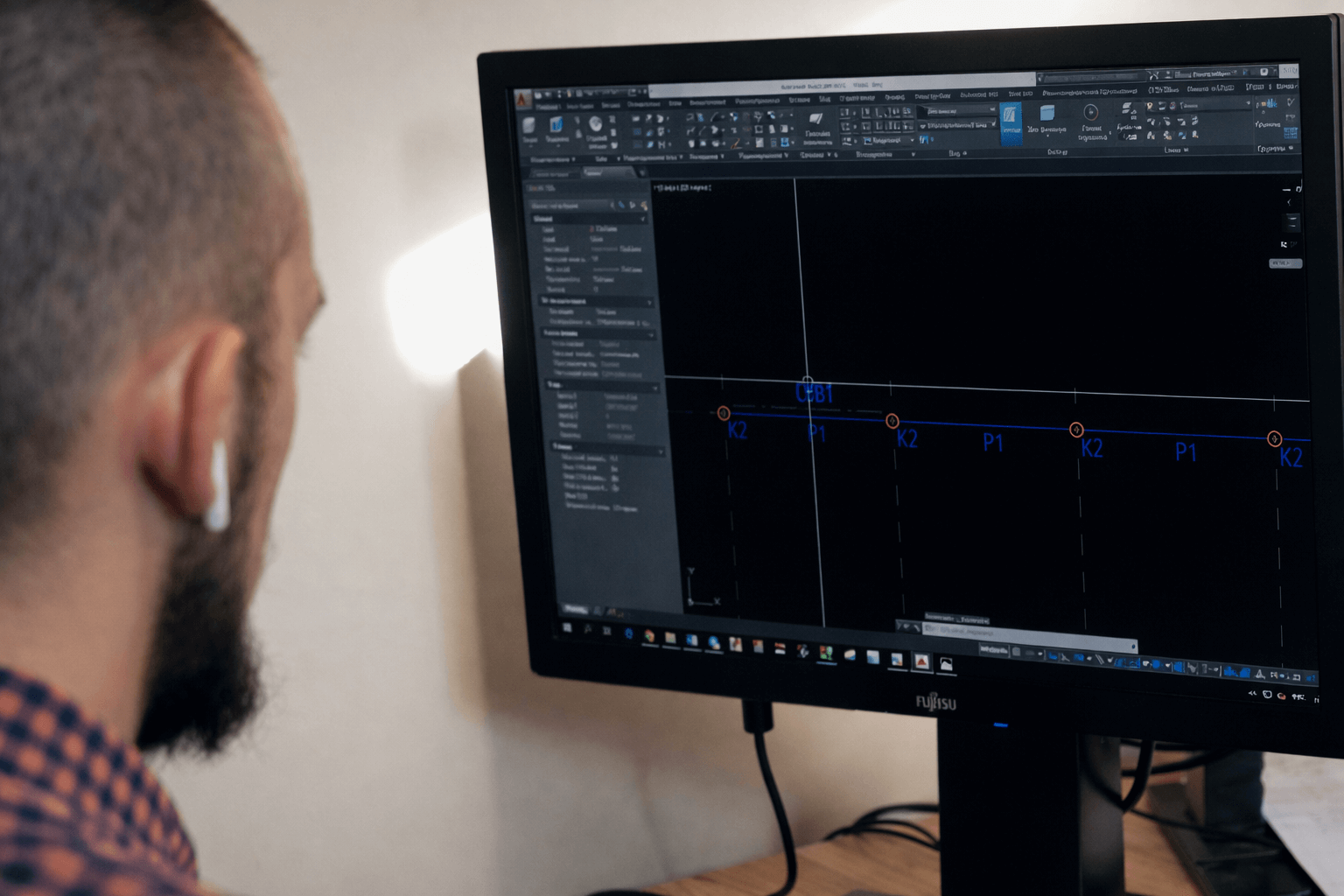
Mistakes often occur when screw piles are chosen “by default,” without analyzing the task. The correct approach starts with evaluating:
- loads and the structural scheme;
- soil types and their behavior;
- installation and operational conditions;
- potential future changes or scalability.
Engineering analysis allows you to understand whether screw piles will be an optimal solution for a specific project.
Results of a correct choice
When the type of structure and the task align with the capabilities of the technology, screw piles provide:
- predictable load-bearing capacity;
- rapid implementation;
- precise foundation geometry;
- minimal impact on the site;
- flexibility for future adjustments.
This delivers not only a technical outcome to the client but also reduces risks at all stages of the project.
Expert conclusion from PILLAR
PILLAR’s experience shows that screw piles work best when applied consciously. They do not replace all foundation systems, but under the right conditions, they become an engineering tool that significantly simplifies project implementation.
If the answers to the two basic questions — what you are building and what task you are solving — match the described scenarios, screw piles are suitable. In all other cases, it is advisable to seek an alternative based on engineering logic rather than universal recommendations.